SCRAPPAGE
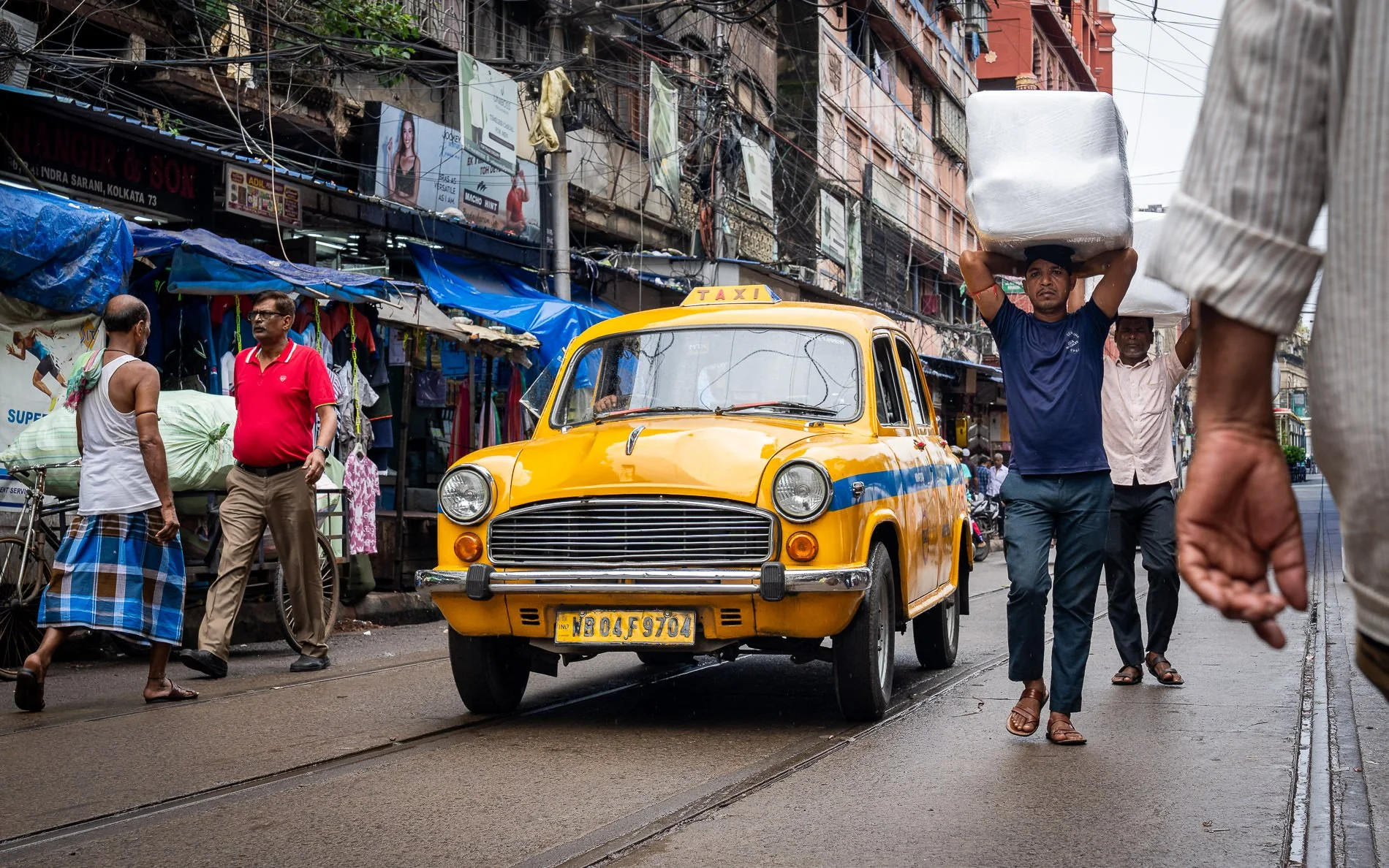
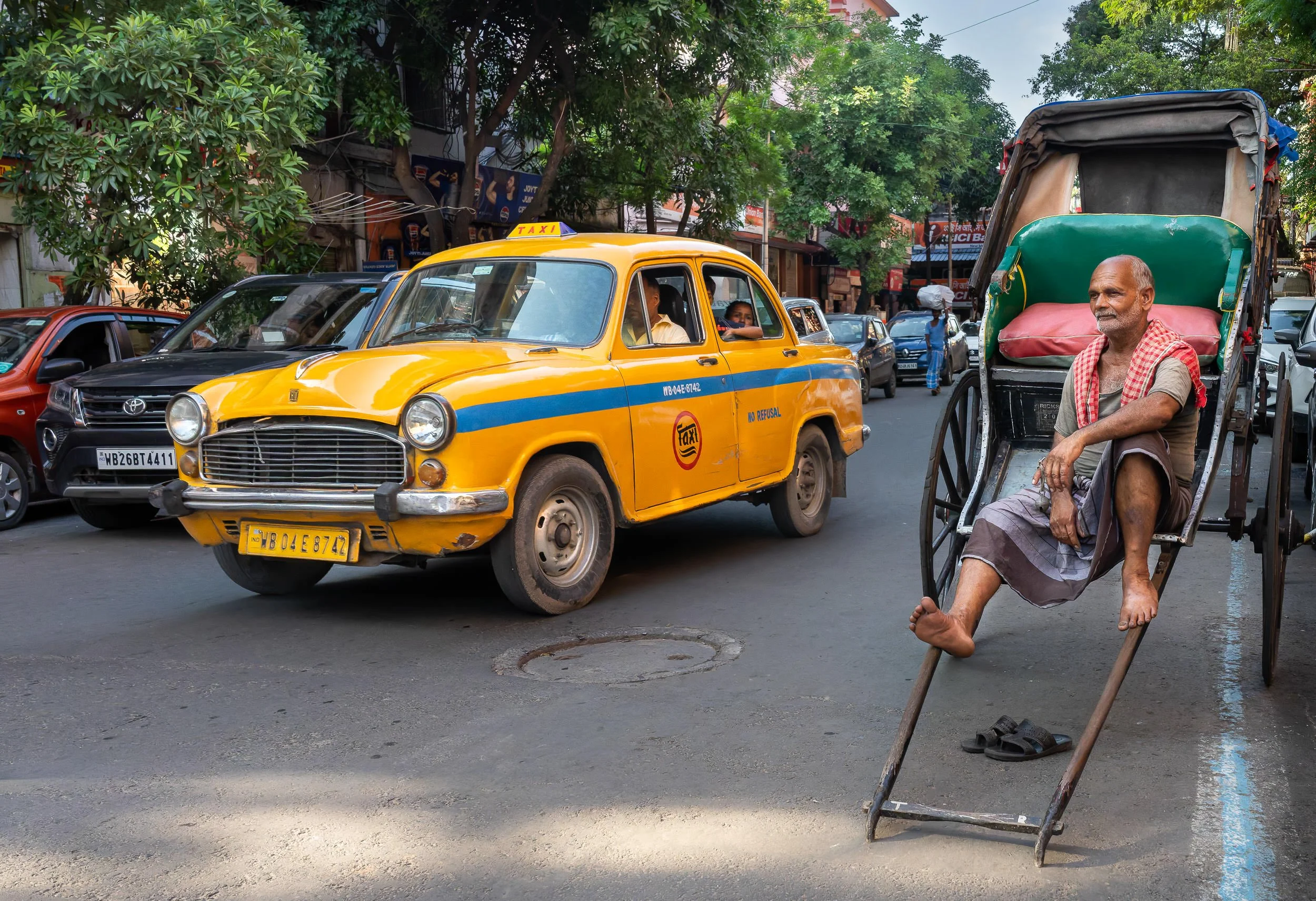
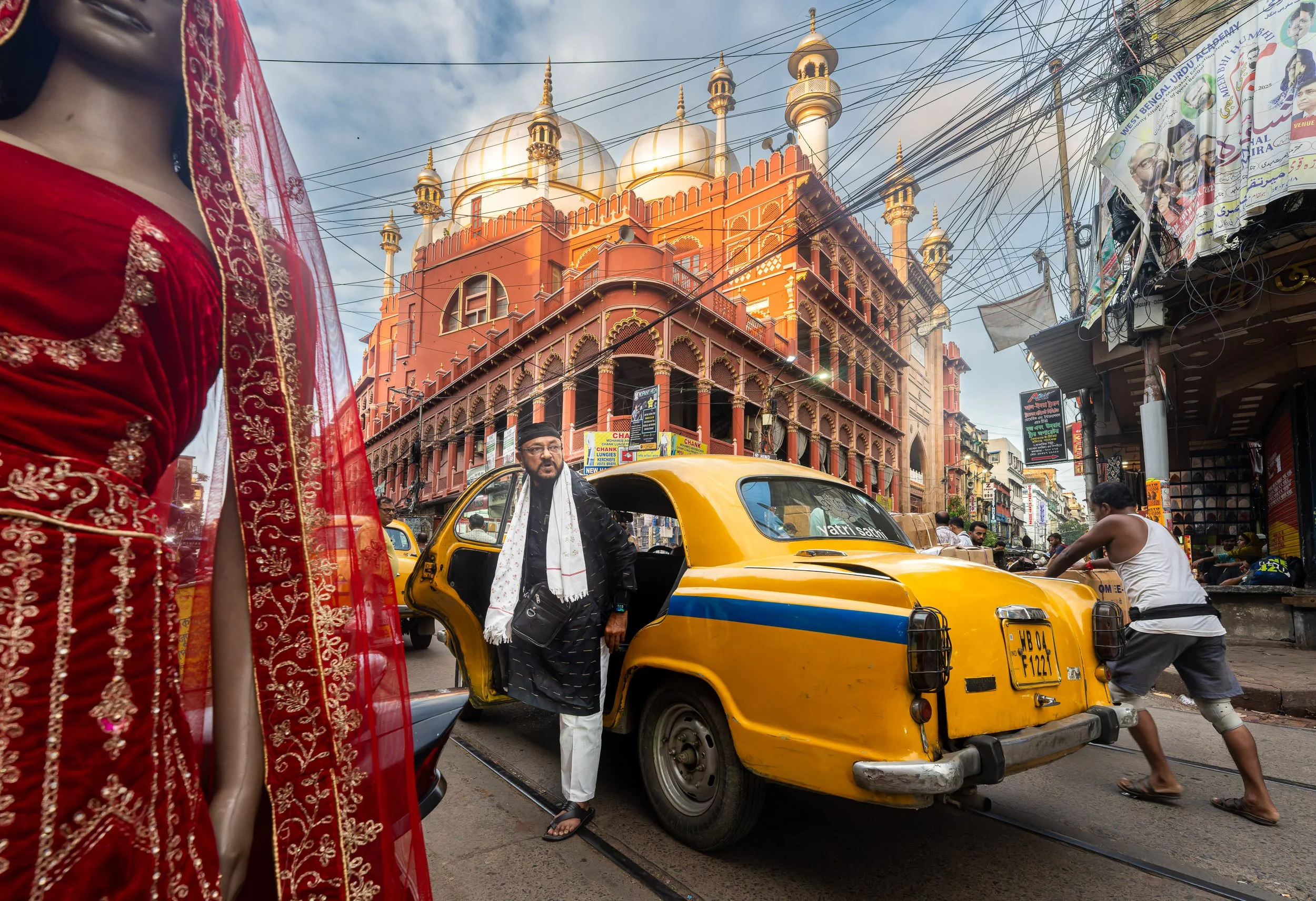
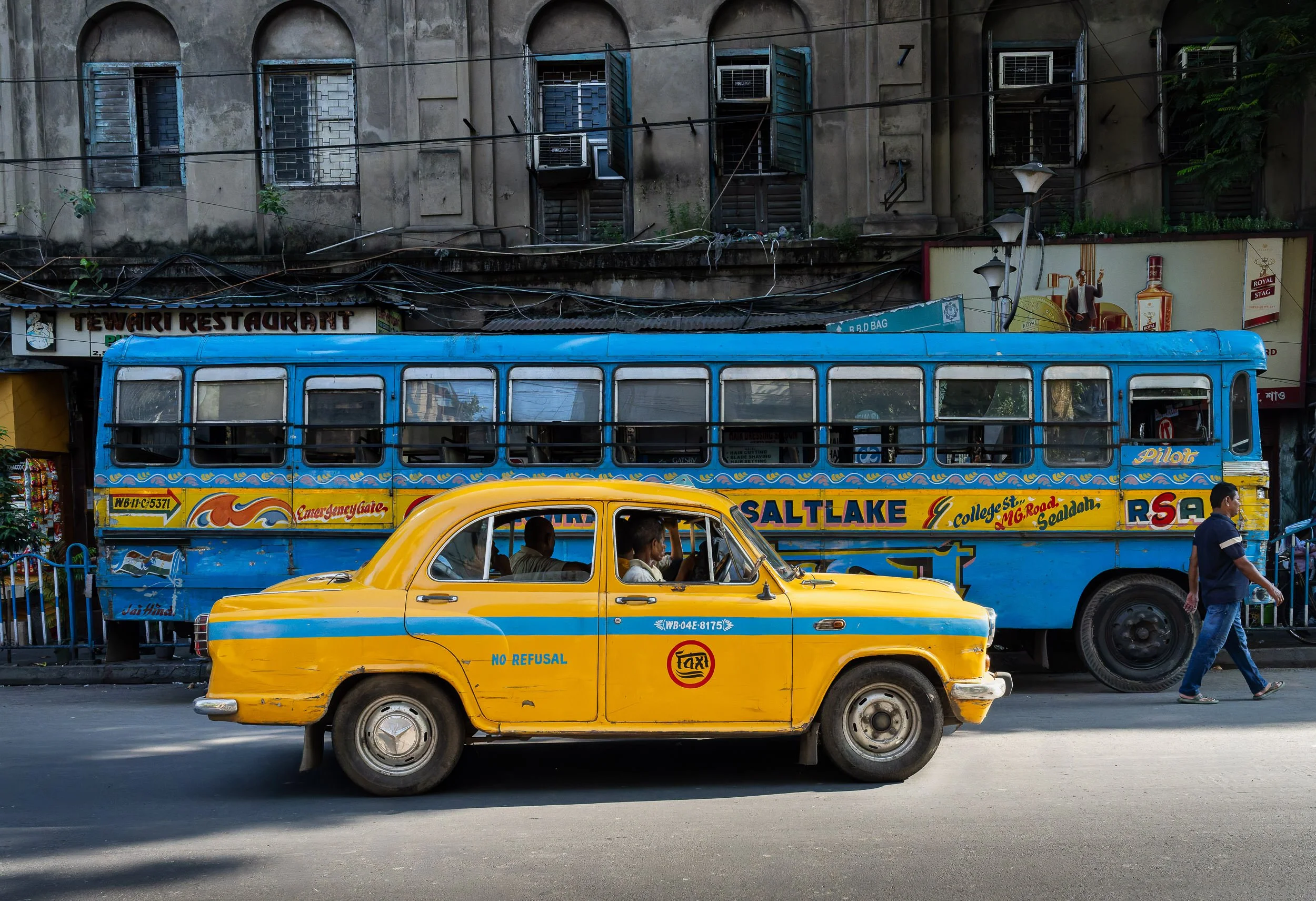
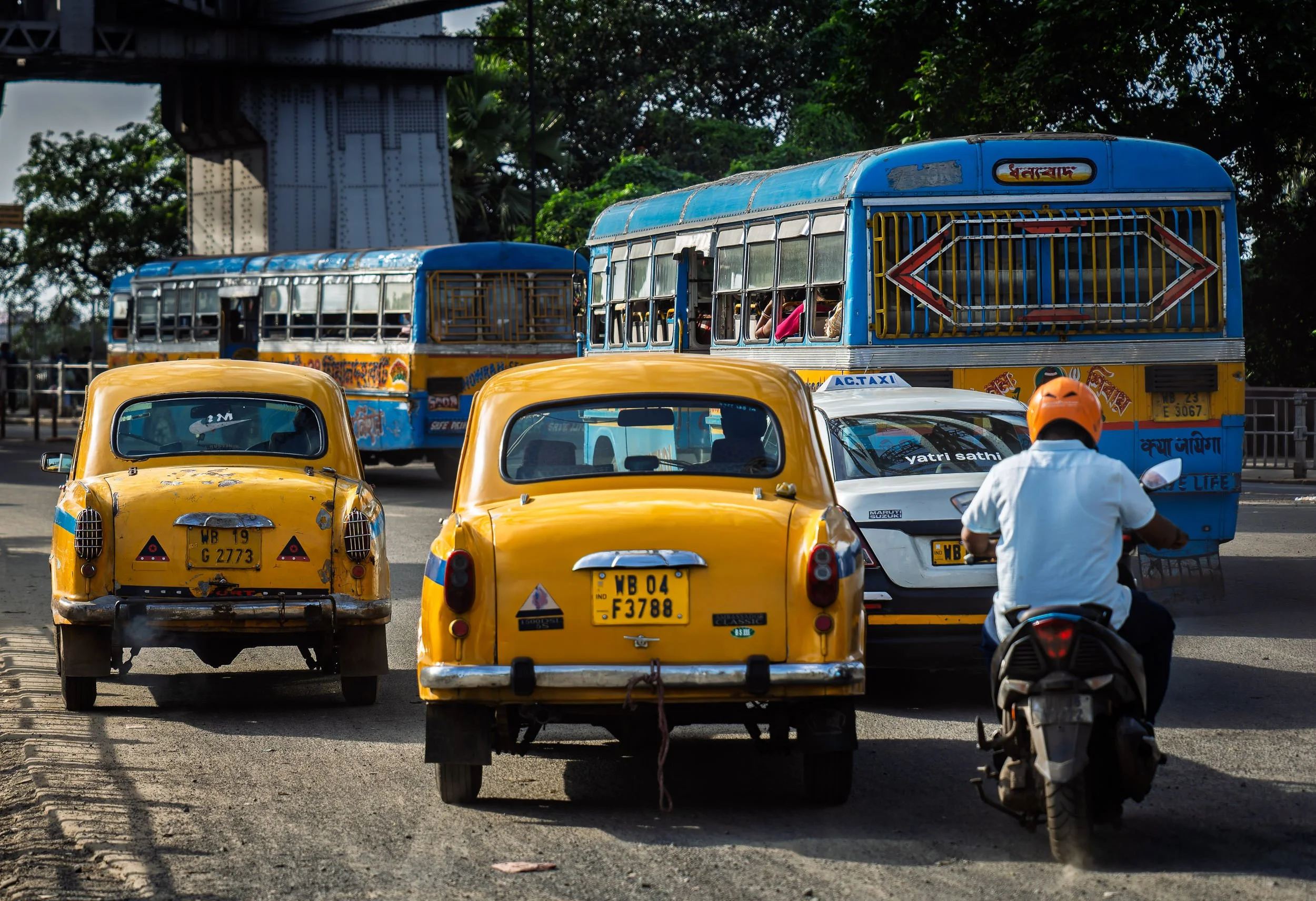
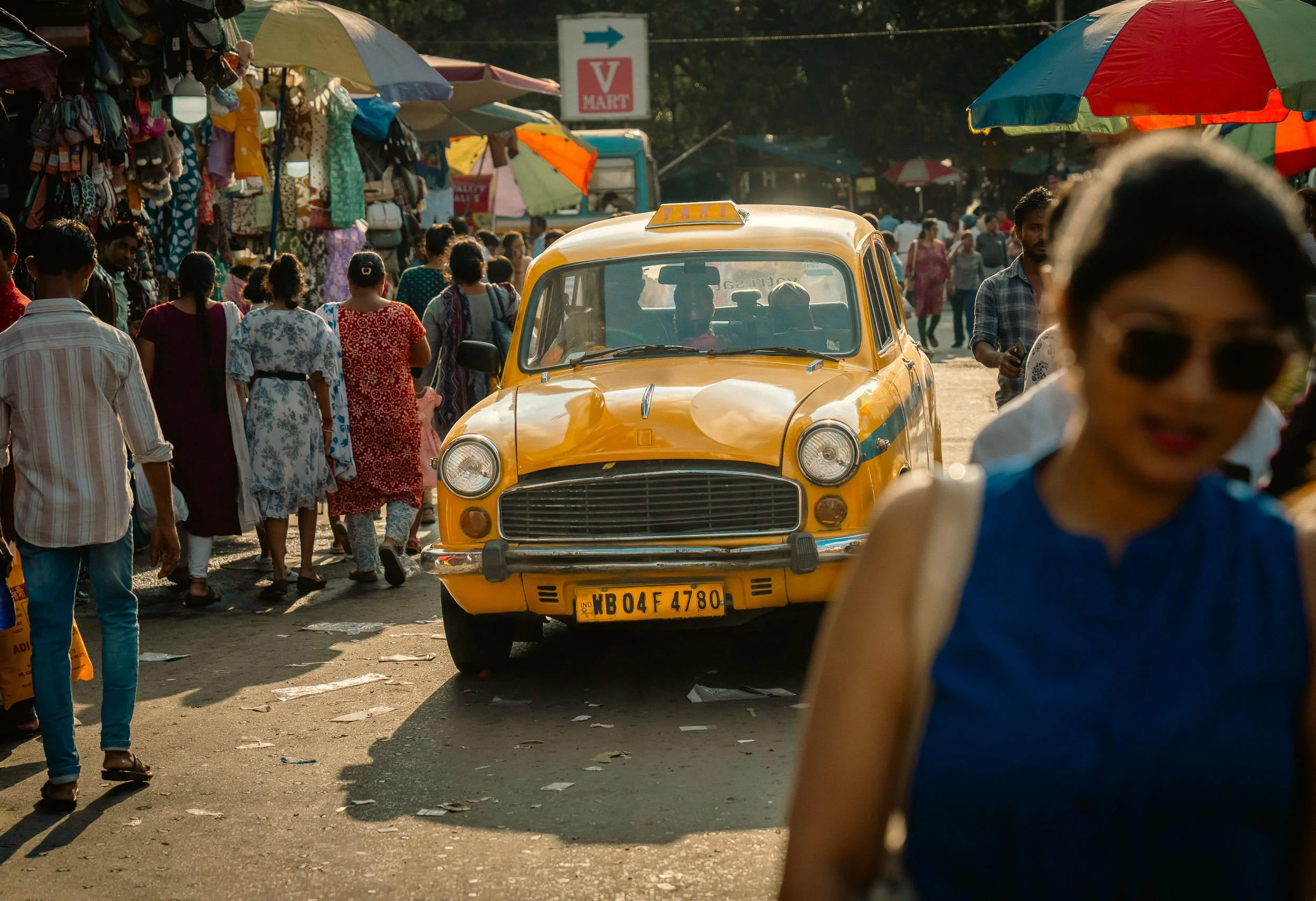
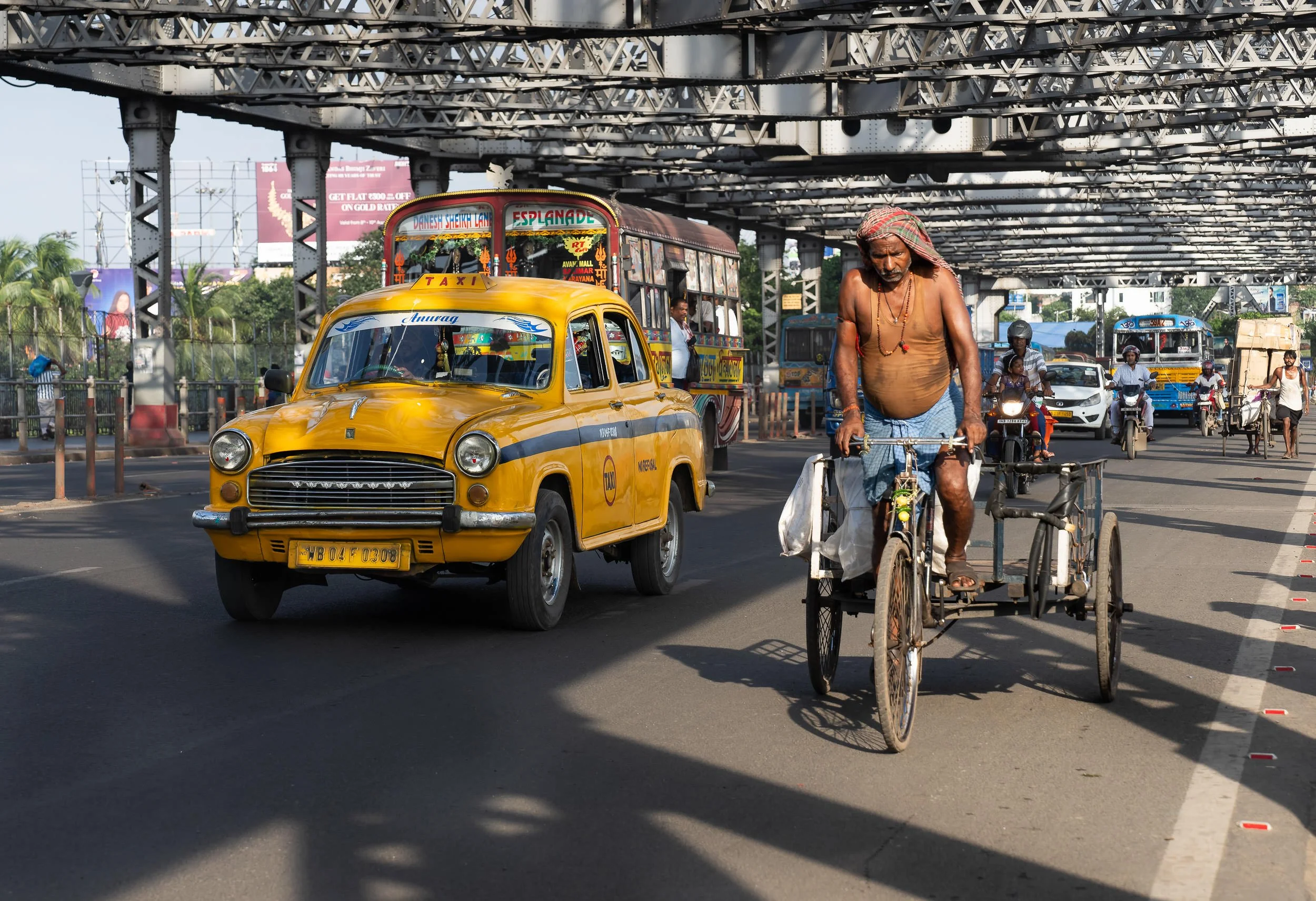
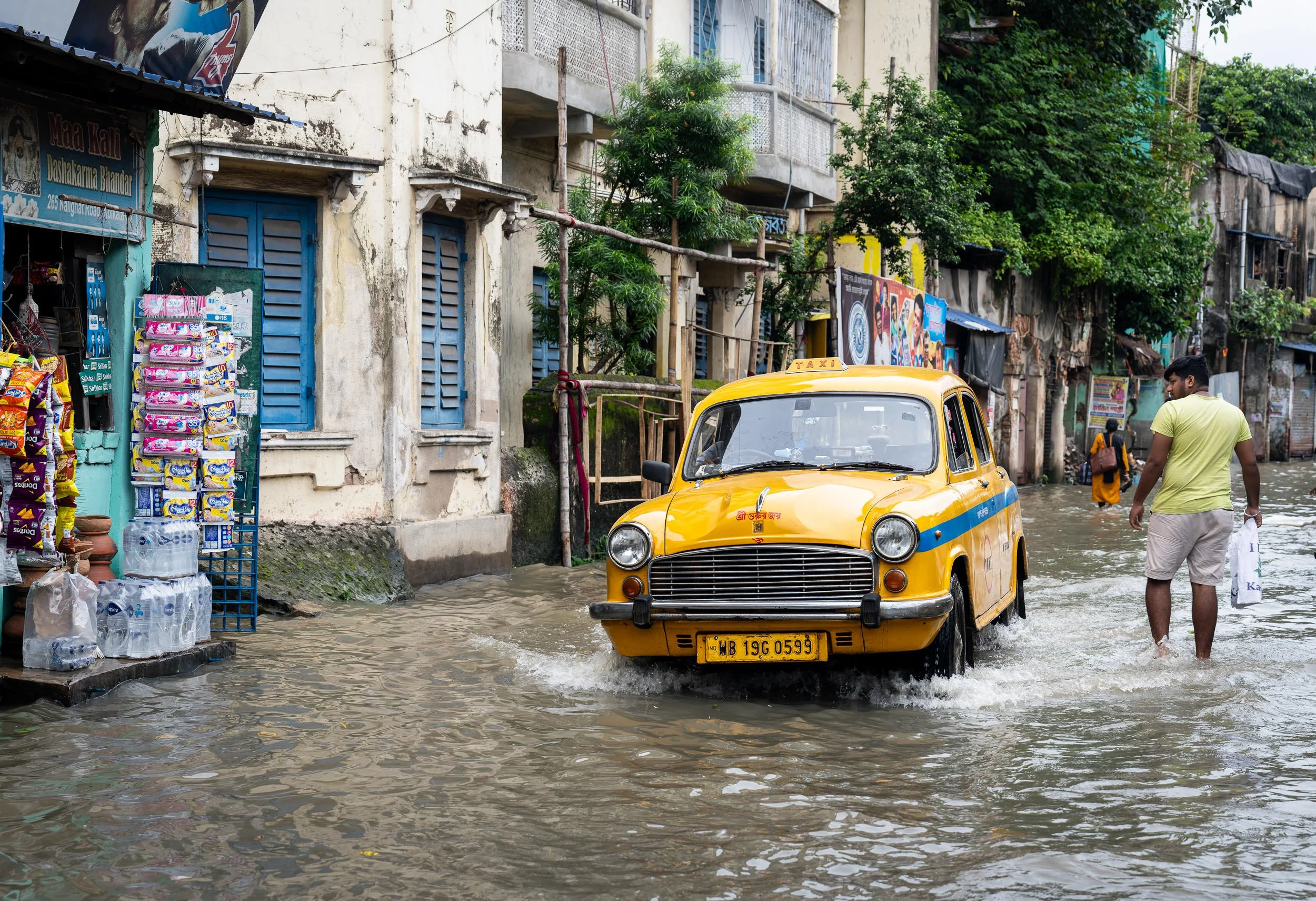
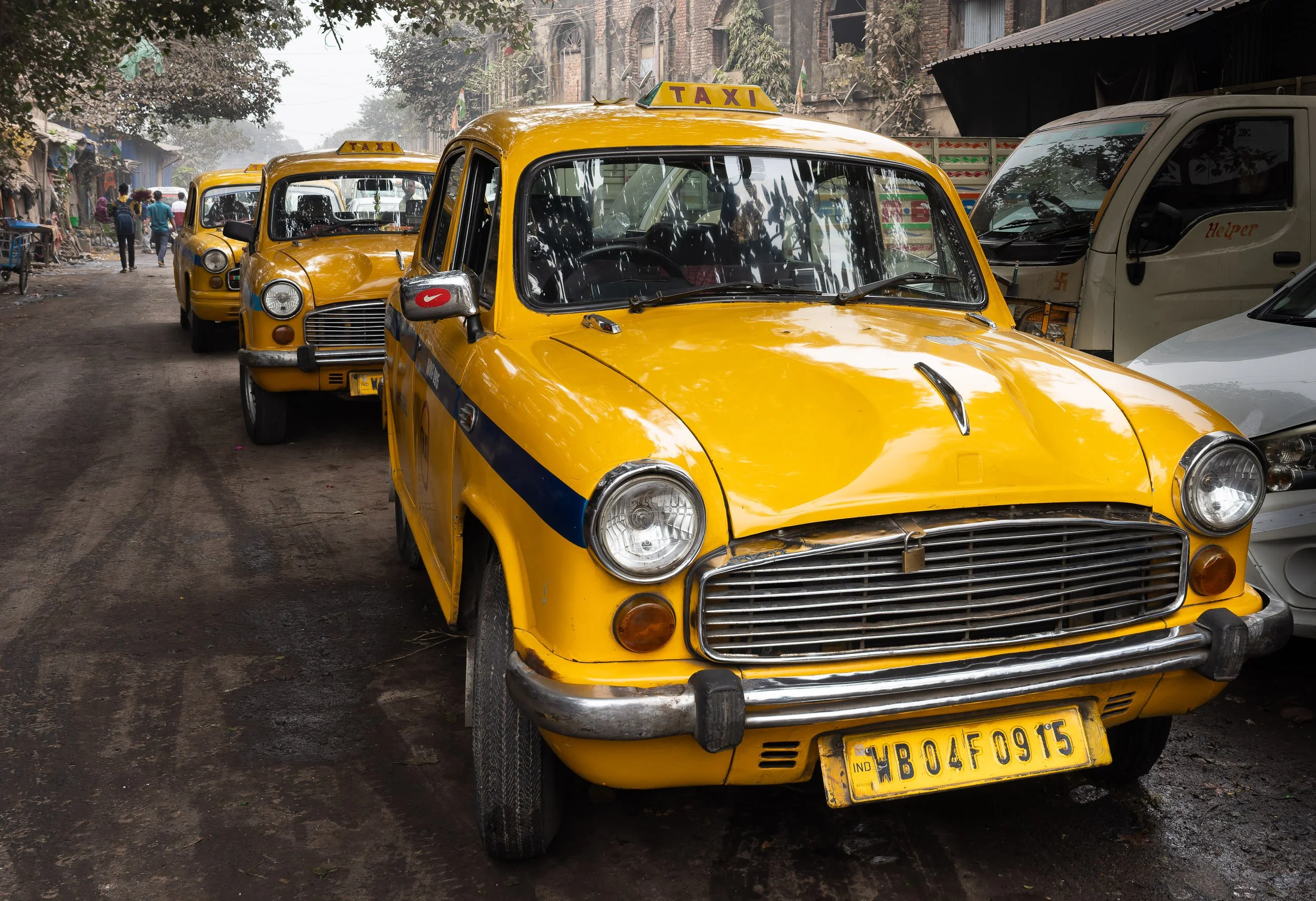
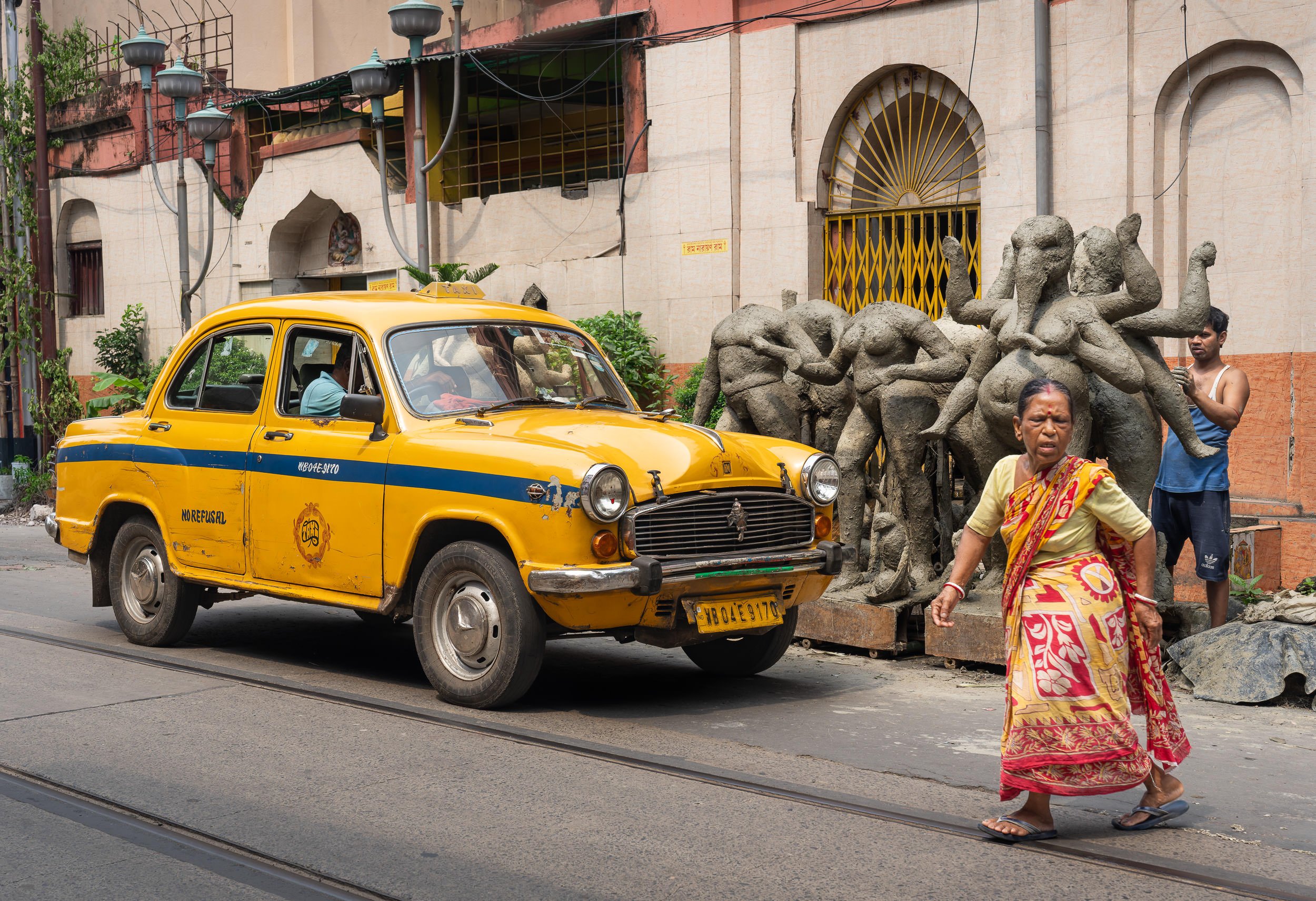
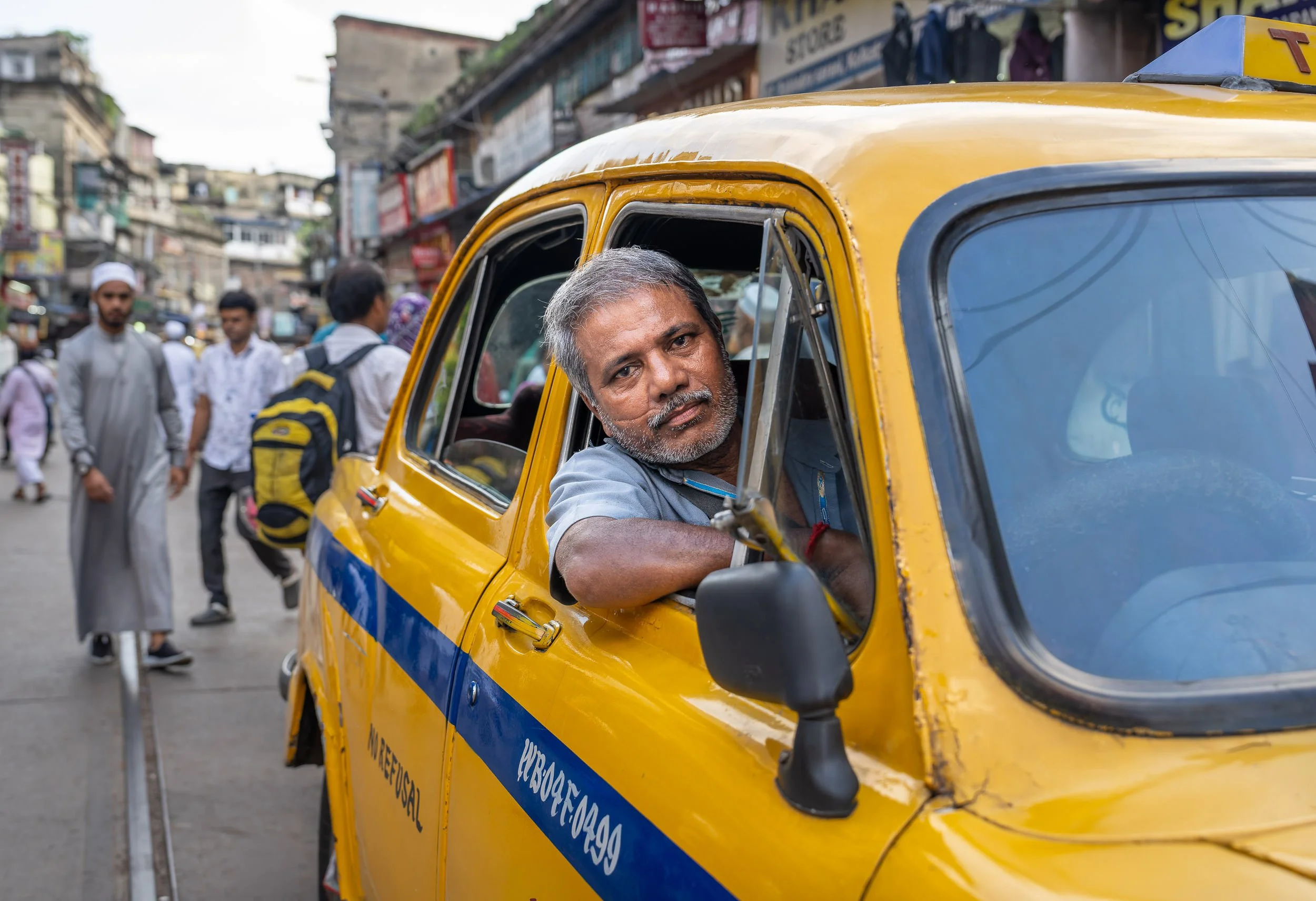
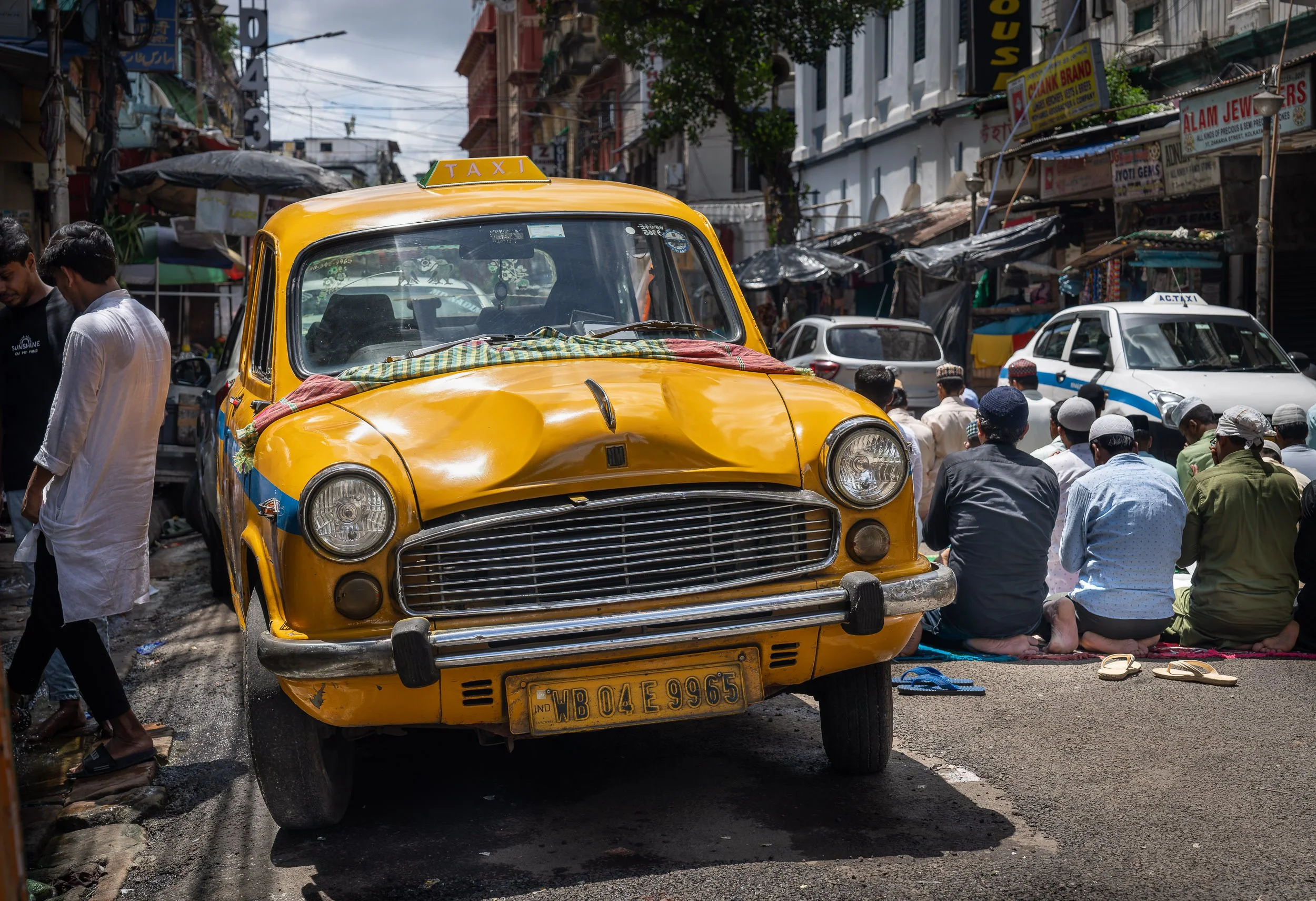
For decades, the streets of Kolkata were defined not just by the buildings but by the constant presence of the yellow Ambassador Taxi, endearingly known as the Ambi. They are blocks of colour against the soot covered buildings, in evening shadows and on the wet roads as they pick up the lights and reflections of the city. They will soon be no more and Kolkata will lose a visual constant that gave the city its most recognisable identity.
”The King of India’s Roads”
The Ambi was a collaboration between Morris Motors of Oxford, England and the Hindustan Motor Company of India. The cars were made at their factory at Uttarpara near Kolkata for almost seven decades, between 1958 and 2013, one of the longest continuous car production runs in automotive history. During that time there were several engine tweaks and superficial enhancements but the car remained very much the same as when it was first designed by Gerald Palmer in England, then the Morris Oxford Series III.
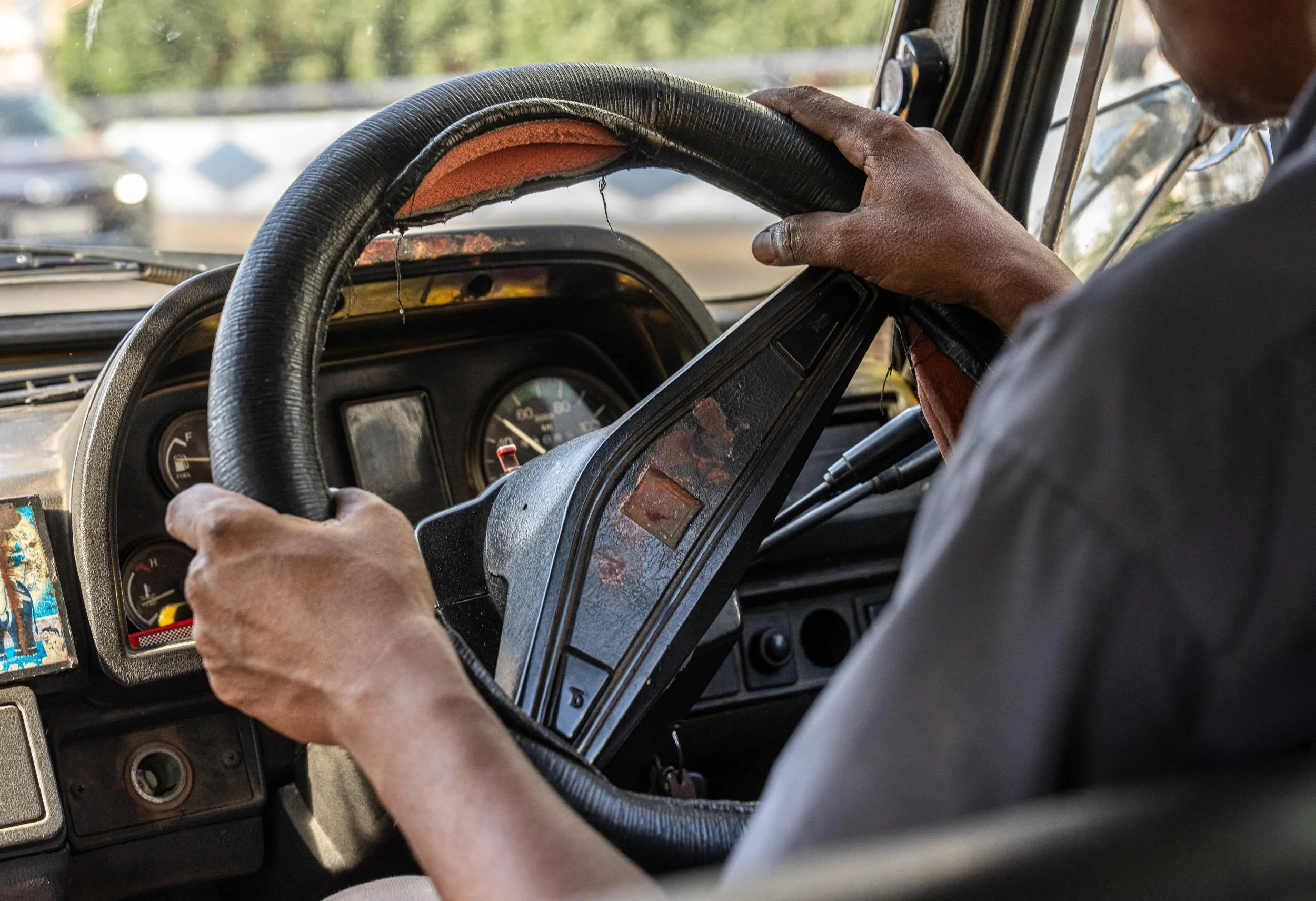
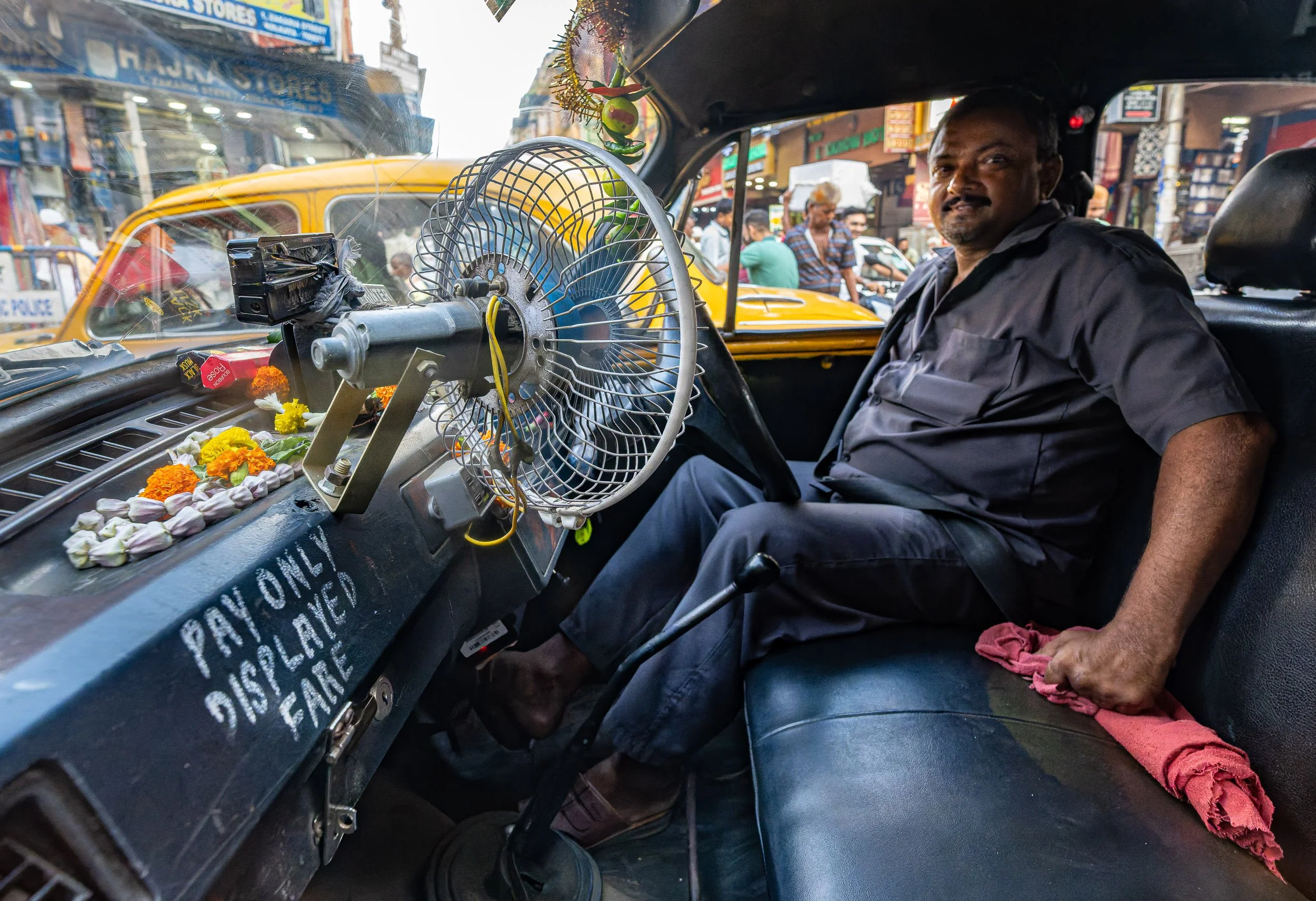
It isn’t surprising the car was so popular with the taxi owners, they are spacious and very sturdy, and being so plentiful spare parts were easy to acquire with only basic mechanical skills needed to make repairs and keep them running.
In 2008, the Calcutta High Court ordered that commercial vehicles of more than 15 years old should be removed from the streets. This included the taxis, but not private Ambi as old or older. Being India, it took a while for the scrappage to commence, which is now progressing at a pace. Originally 7500 Ambi taxis worked the streets of Kolkata, there are now just 4500. Taxi drivers I spoke with had all received their compulsary scrappage notices. If not executed by the due date then fines and/or prison could ensue. There is no compensation paid to the owners, who are mainly Bihari migrants struggling to eke a living due to the increased competition in recent years from Uber style and motorcycle taxis. The scrappage companies pay around $4000 for the car and I imagine they are paid by the government and for the scrap. I noted that the brass plates containing the serial numbers were carefully removed and assumed were required for proof of scrapping and for claiming fees.
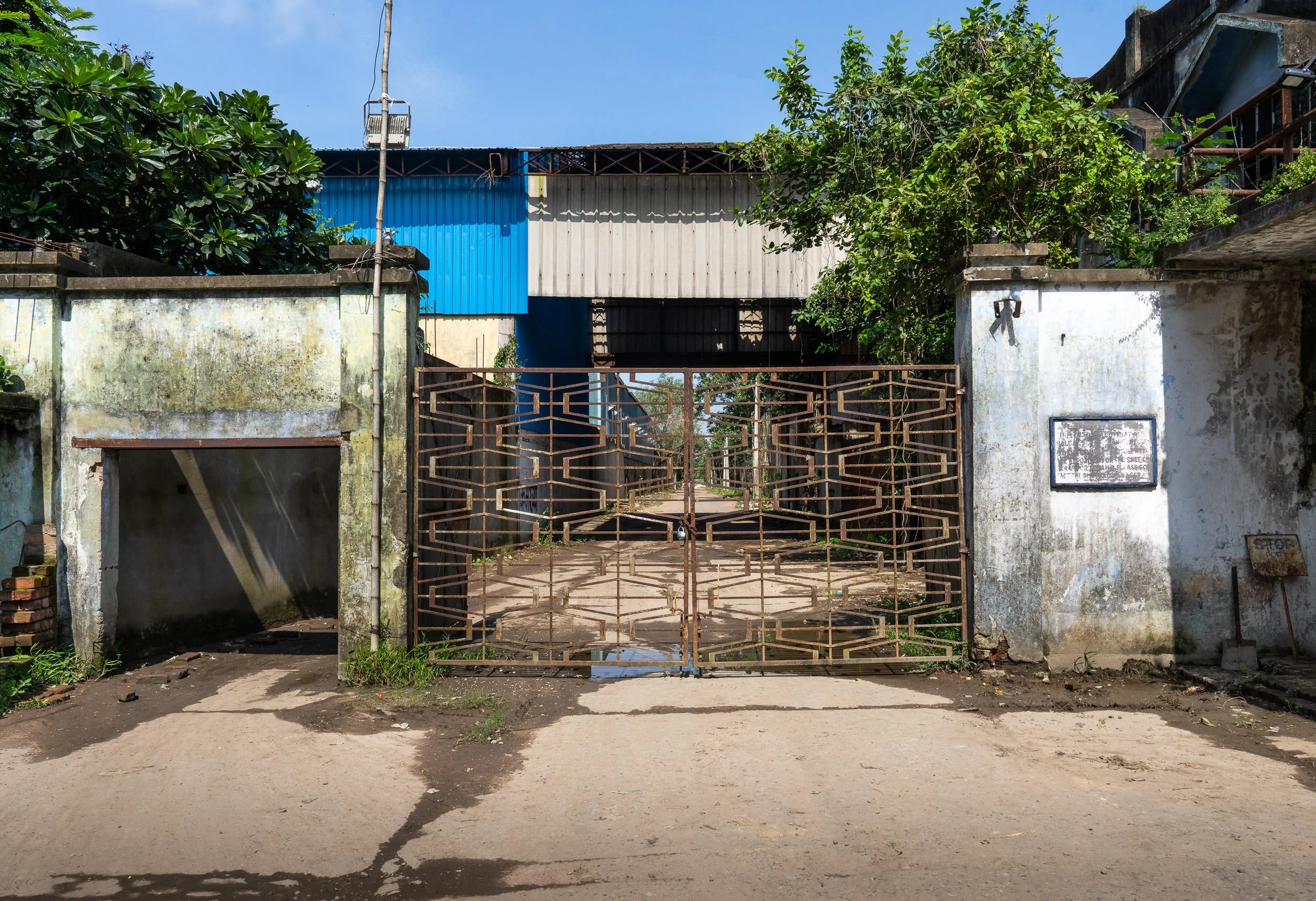
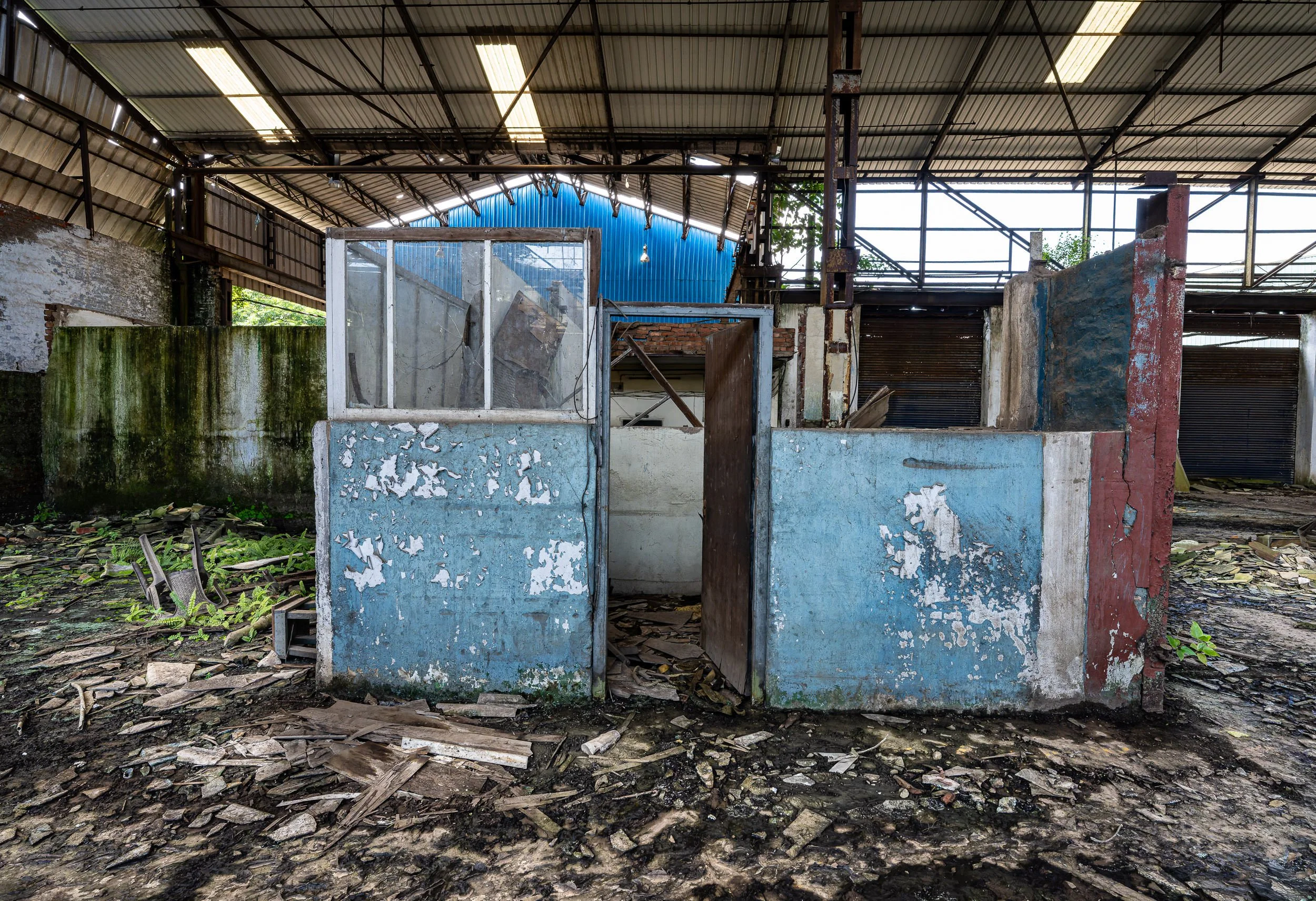
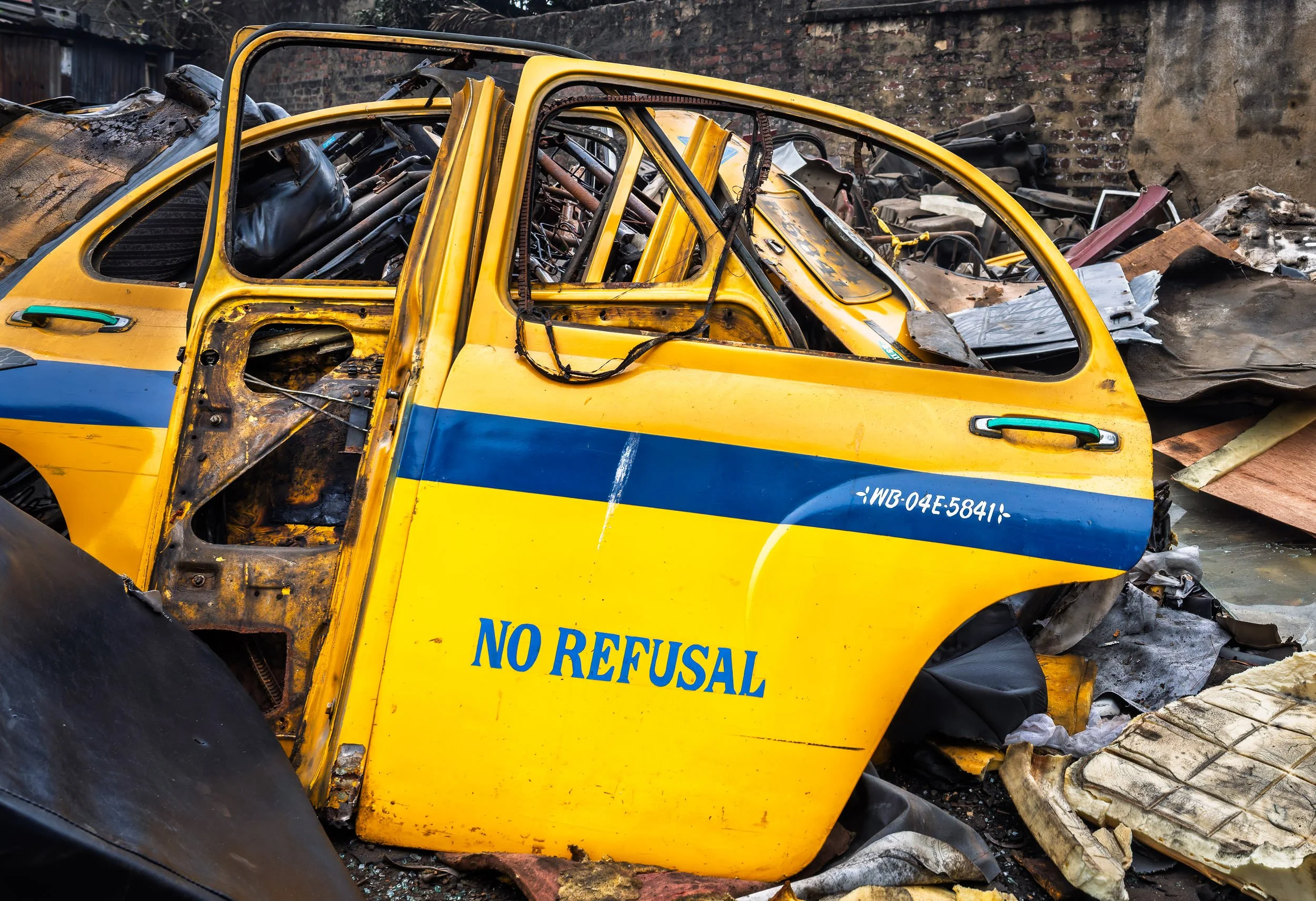
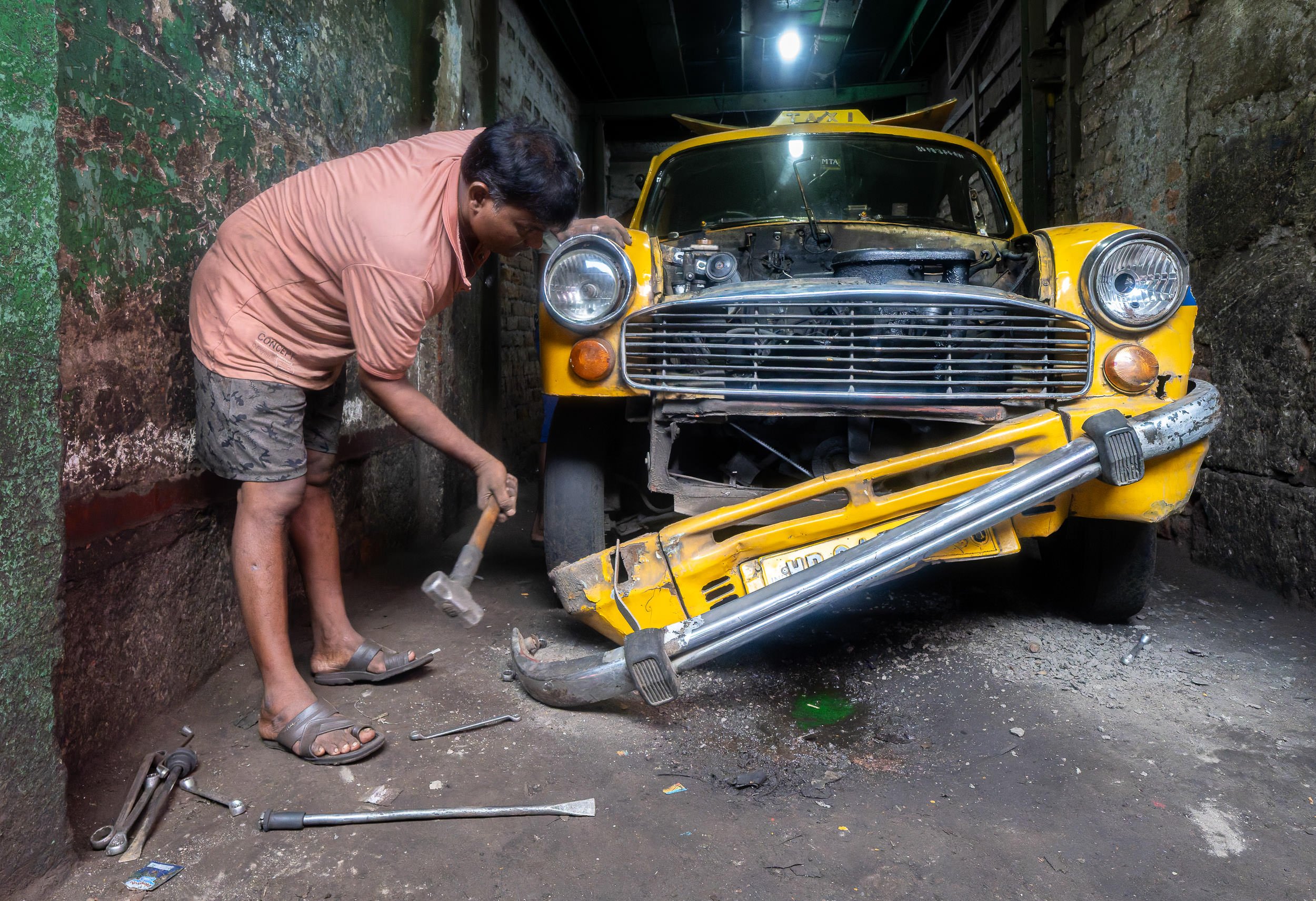
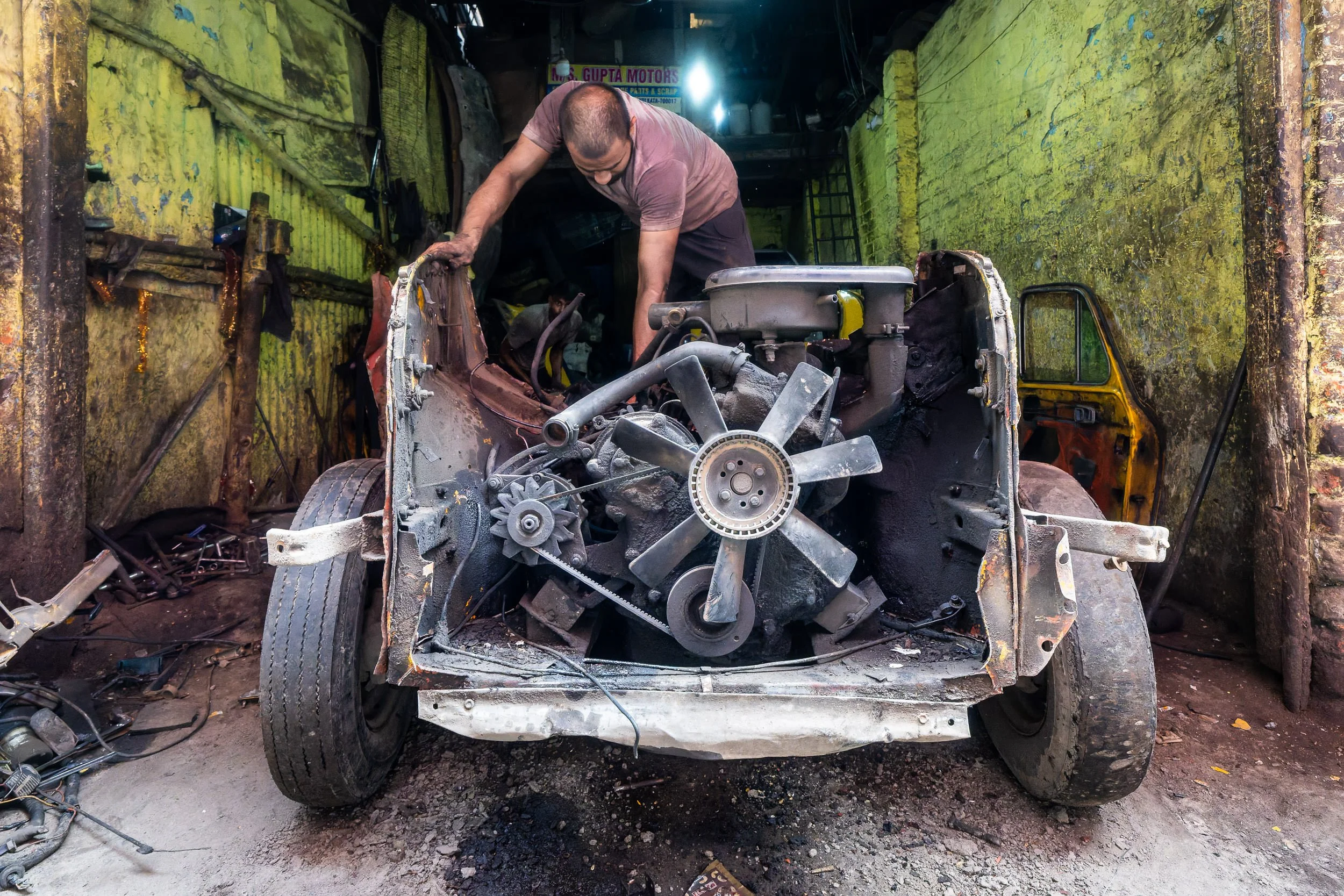
In the images below you will see the now disused car plant at Uttapara, Ambis on the streets and being scrapped. It takes 2 or 3 men about 4 hours to completely dismantle a car. After removing the seats, engine oil and petrol tank they remove the body panels with a hammer and chisel along the weld lines followed by the rest. A good day is when they have two to dismantle.
A am sad for the driver owners who might never work again and for everyone who visits Kolkata once they have gone. My favourite city in India will never be the same again.
I plan, and look forward, to further visits to “the city of light, as Kolkata is known, to build on this gallery of images for an exhibition and a book.